


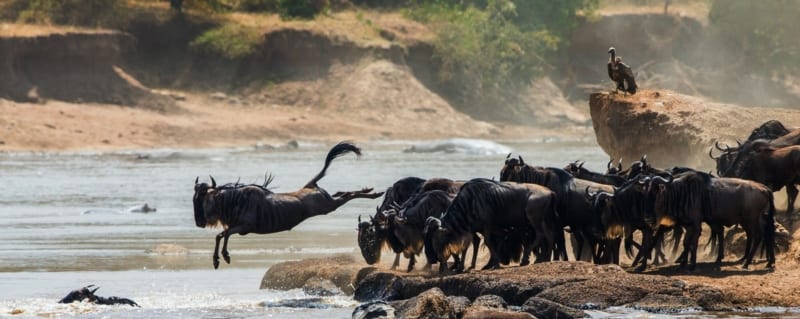
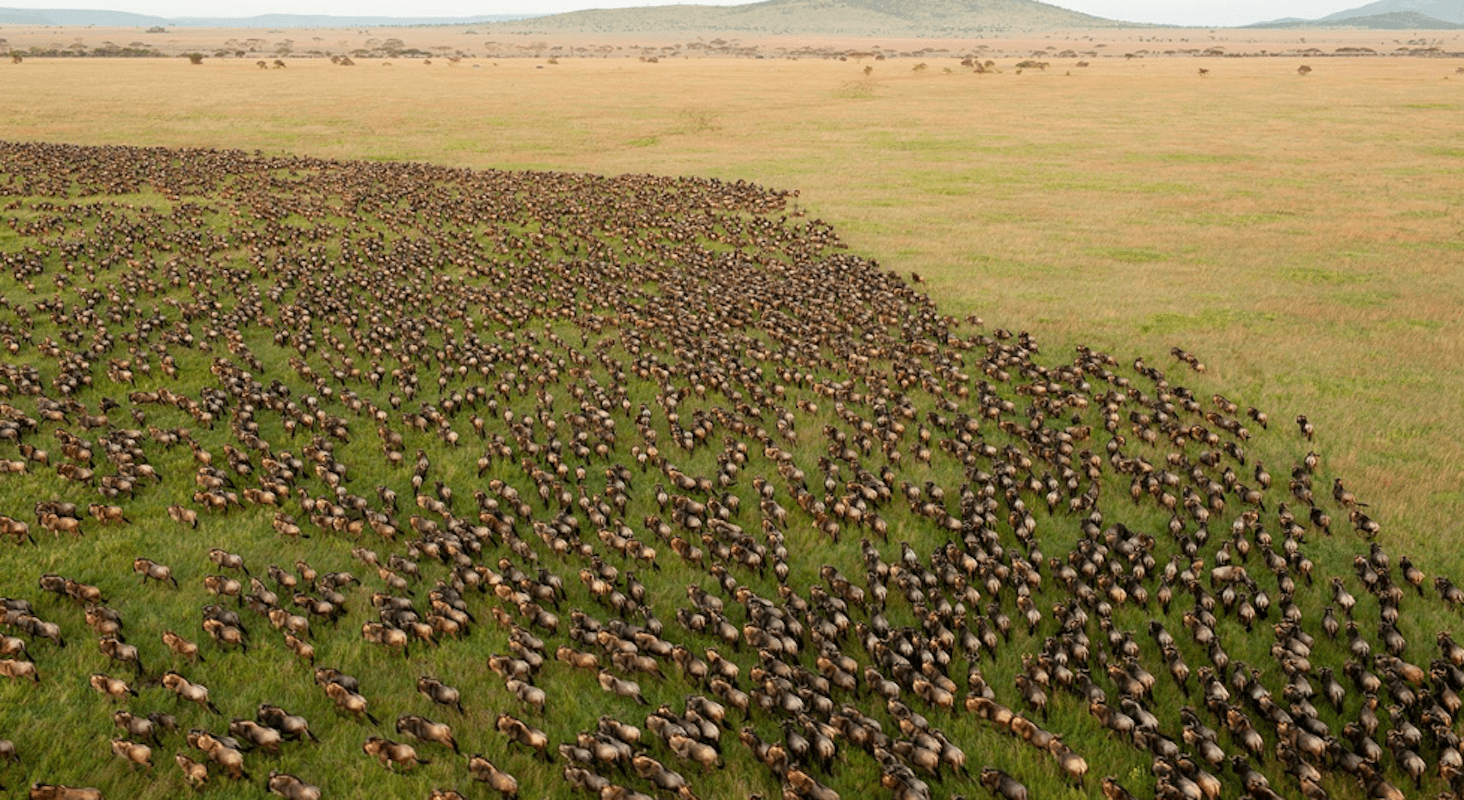
Africa’s wildebeest migration is a very effective natural lawnmower, and no savannah (no matter how verdant) can survive its onslaught for long. That’s what impels the herds to keep moving in June and July, their numbers now swollen by this year’s calves. The western Serengeti offers excellent grazing – but the Grumeti River lies in the way…

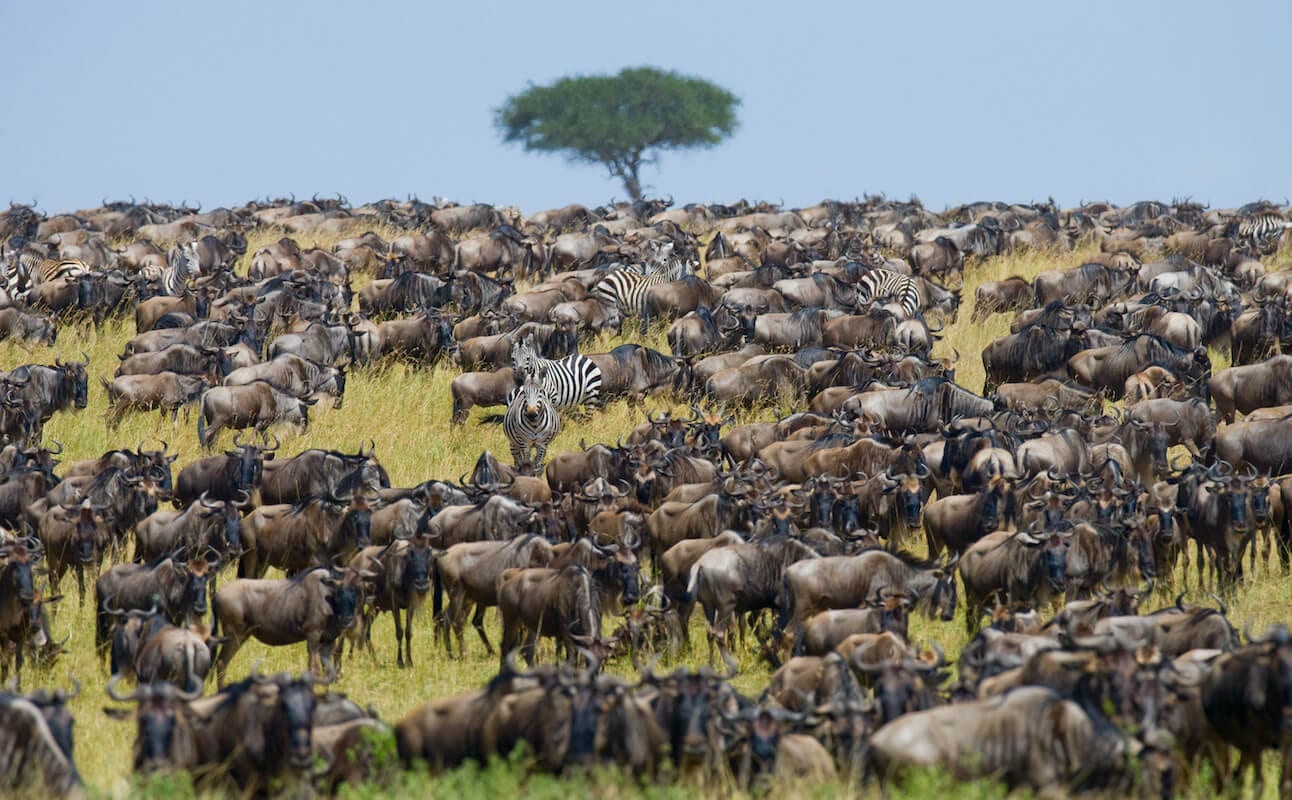
During June and July each year, Africa’s wildebeest migration can be found spread out between the central Serengeti and the grassy plains of the Western Corridor.
By now, the calves born in the southern Serengeti in January and February are comfortably integrated into the herd, and are a lot more ‘savannah-wise’ when it comes to evading predators. It’s a pretty peaceful time, until the grass begins to thin and the herds become restive. It’s easy to imagine that the wildebeest (noted for their seemingly dismal expressions) start looking increasingly forlorn.
It’s time for the animals to aim for the western Serengeti … on the other side of the Grumeti River. As July draws to a close, the need to find new food becomes more and more pressing – so pressing, in fact, that they’ll brave croc-infested water to do so.
-
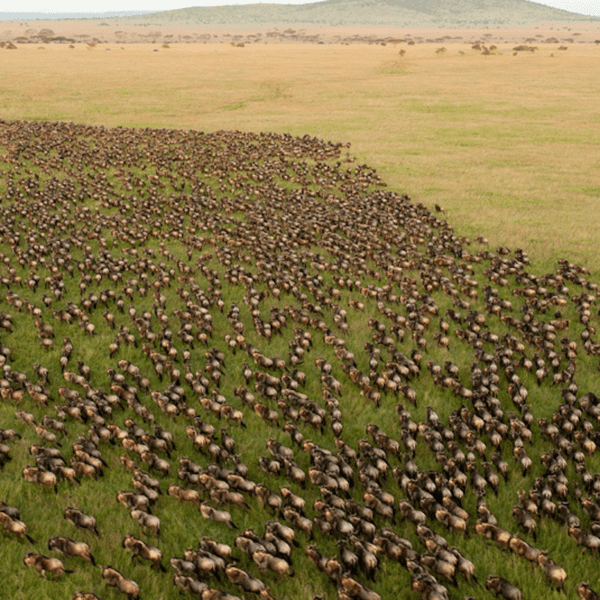 During June and July each year, Africa's wildebeest migration can be found spread out between the central Serengeti and the Western Corridor.
 -
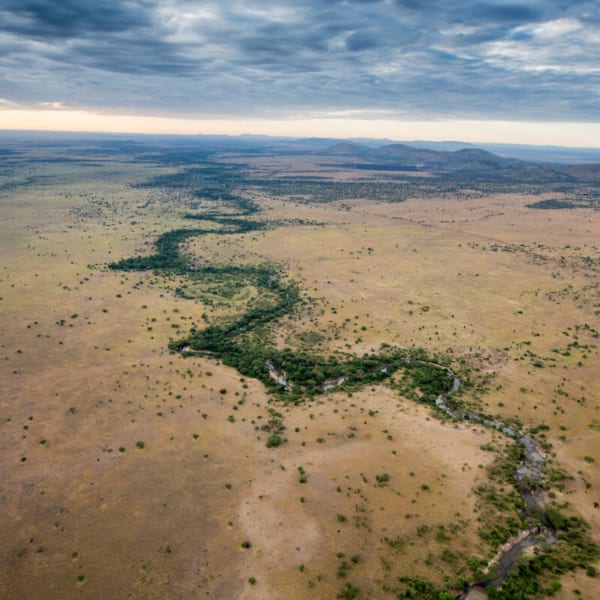 The western Serengeti offers excellent grazing for Africa's wildebeest migration, but the Grumeti River lies in the way.
 -
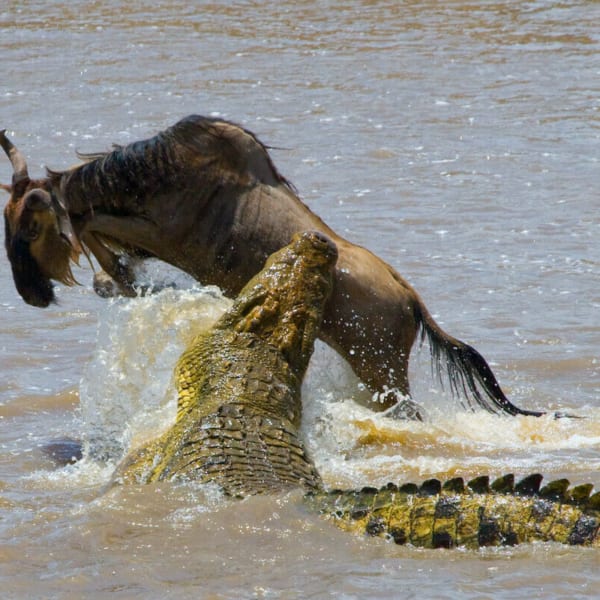 As July draws to a close, the need to find new food becomes so pressing that the herds will brave croc-infested water to do so.
 -
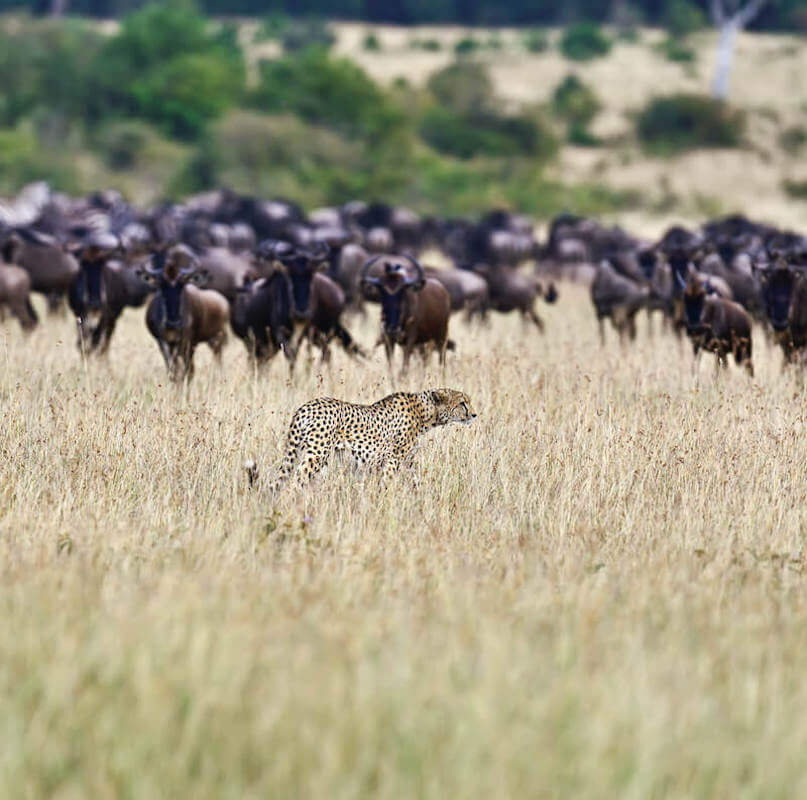
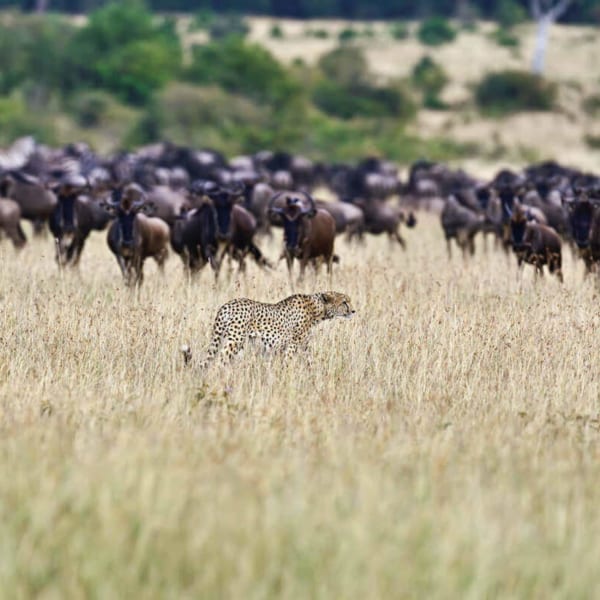 The calves born in the southern Serengeti in January and February are now a lot more ‘savannah-wise’ when it comes to evading predators.

For the youngsters, the Grumeti – the main river of the Western Corridor – will be the first significant watercourse that they’ve encountered. The river itself is less of an obstacle than the Mara River, with much more gently sloping banks that greatly reduce the risk of drowning or being trampled underfoot in a stampede.
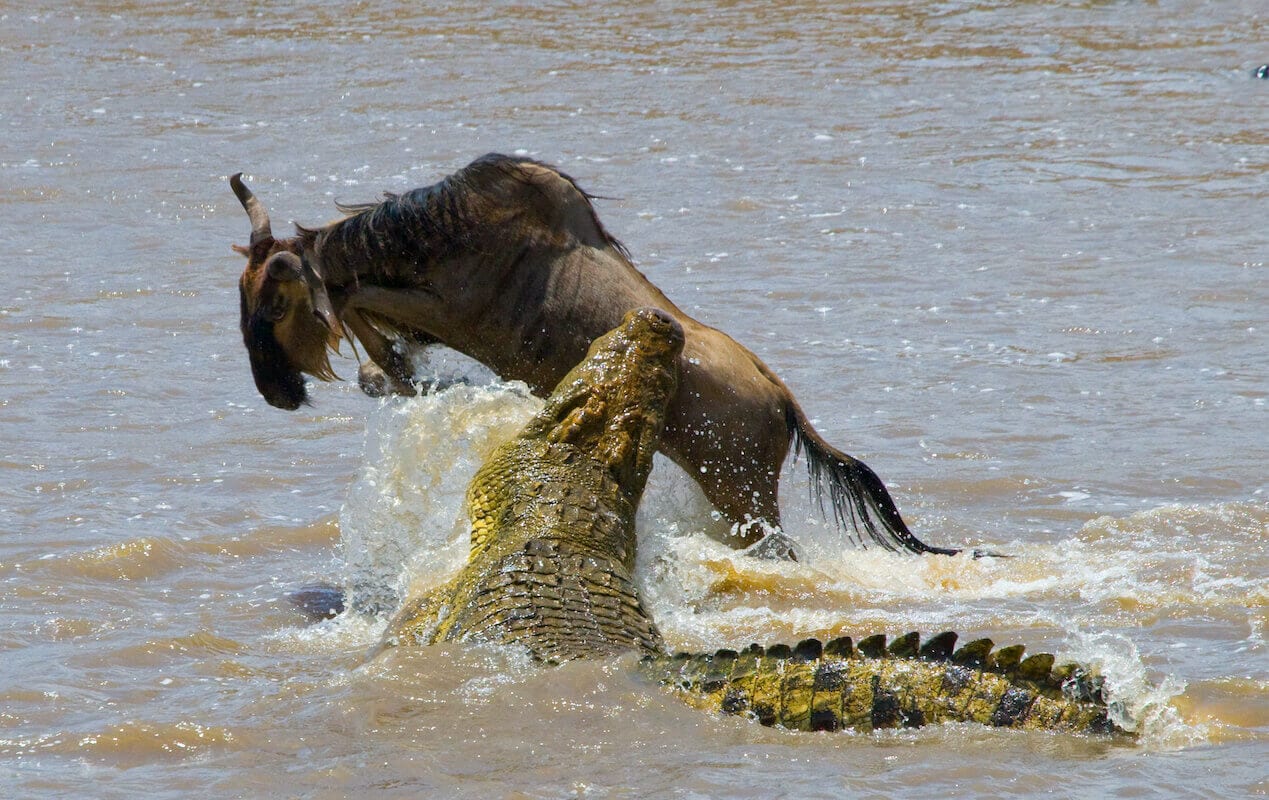
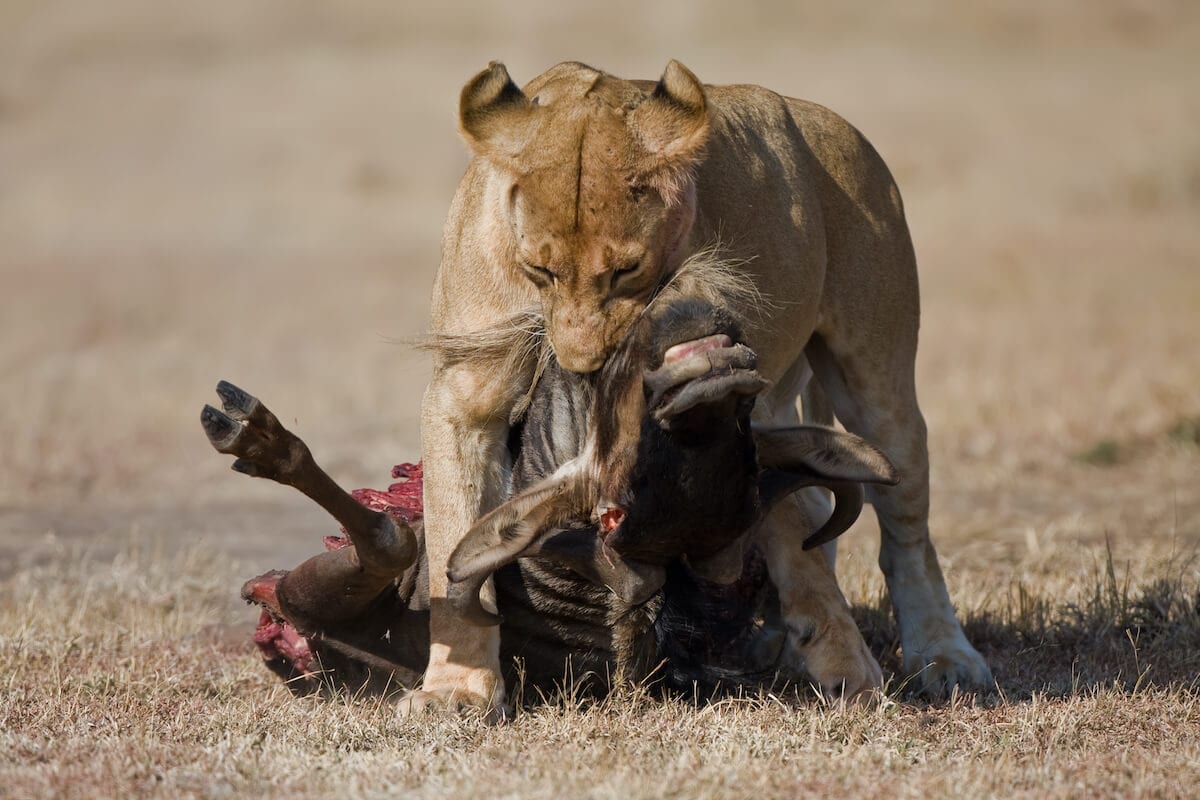
However, the presence of immense crocodiles can easily tip the scales against survival for any individual wildebeest. Crocs have a famously slow metabolism, and the largest of them can last for months without eating. These antediluvian predators, however, are not slow to take advantage of this seasonal flood of food descending upon them.
While the cost of the crossing is high – especially in terms of the numbers of calves lost – there seems to be a collective act of memory suppression that occurs as the survivors splash through the shallows to continue their journey through the Grumeti Reserves.
-
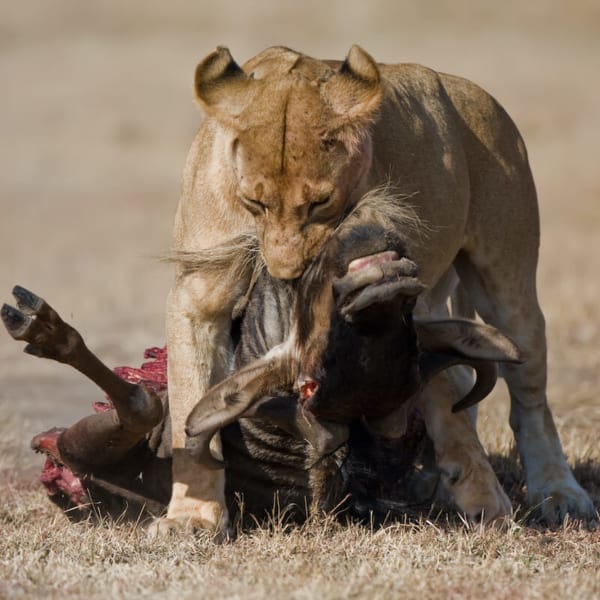 Dry land has its own dangers for Africa's wildebeest migration.
 -
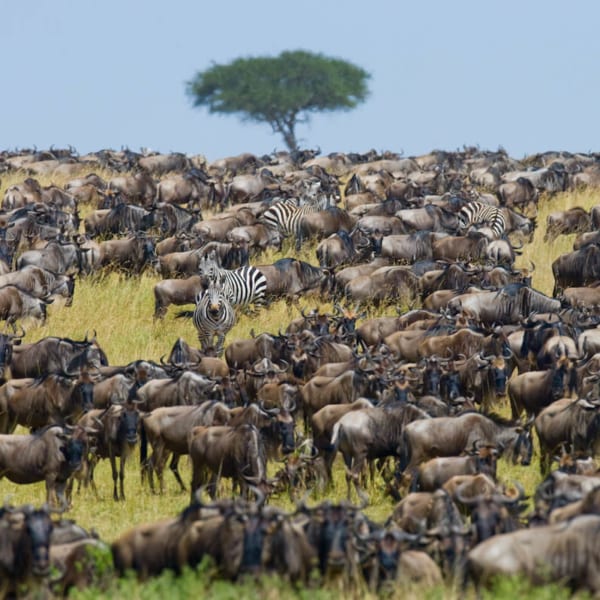 The Grumeti River crossing in July is something of a coming of age for the calves, preparing them for the even more hazardous pitfalls ahead.
 -
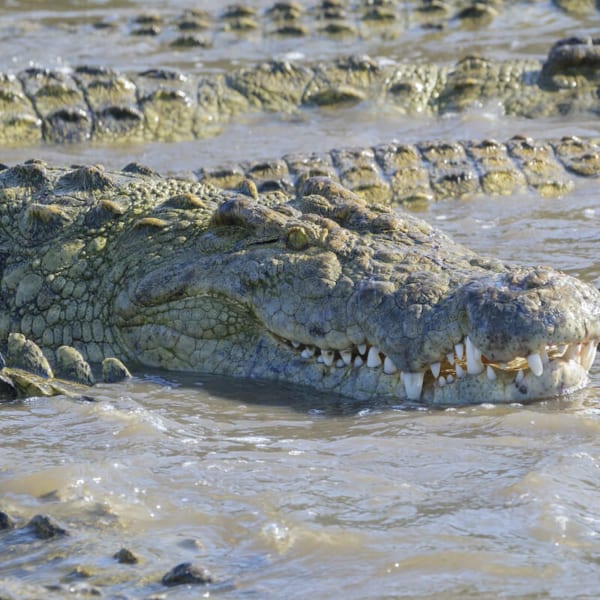 The presence of immense crocodiles can easily tip the scales against survival for any individual wildebeest.
 -
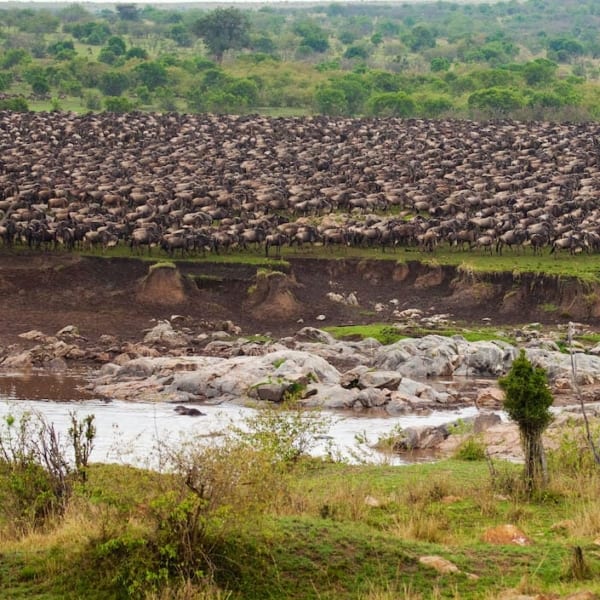 When Africa’s wildebeest migration crosses a river, it’s a high-stakes lottery.

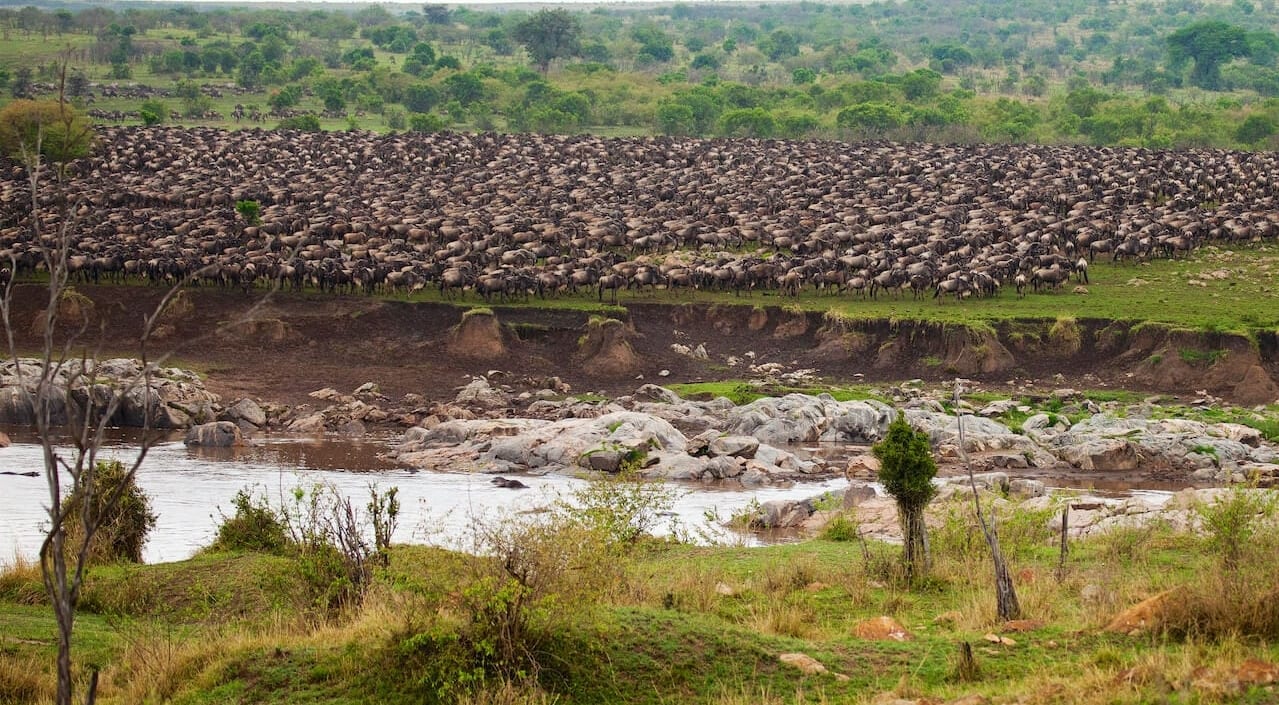
The Grumeti River crossing is something of a coming of age for the calves and helps prepare them for the even more hazardous pitfalls ahead, namely the Mara River.
Whereas much of Nature operates on the principle of survival of the fittest, when Africa’s wildebeest migration crosses a river, it’s more of a high-stakes lottery. It can be fascinating to watch each group of wildebeest steel themselves to enter the water: none want to be either first or last. In reality, of course, the crocodiles can lazily pick off their victims at leisure, such is the bonanza on offer.
While Africa’s wildebeest migration will rank as a highlight of any East African safari holiday, it’s by no means the only reason to visit the region in June and July. Tanzania’s less-frequented national parks (such as Tarangire and Lake Manyara) make ideal add-ons, while Kenya’s beaches and the Indian Ocean islands are at their best during this time.


