



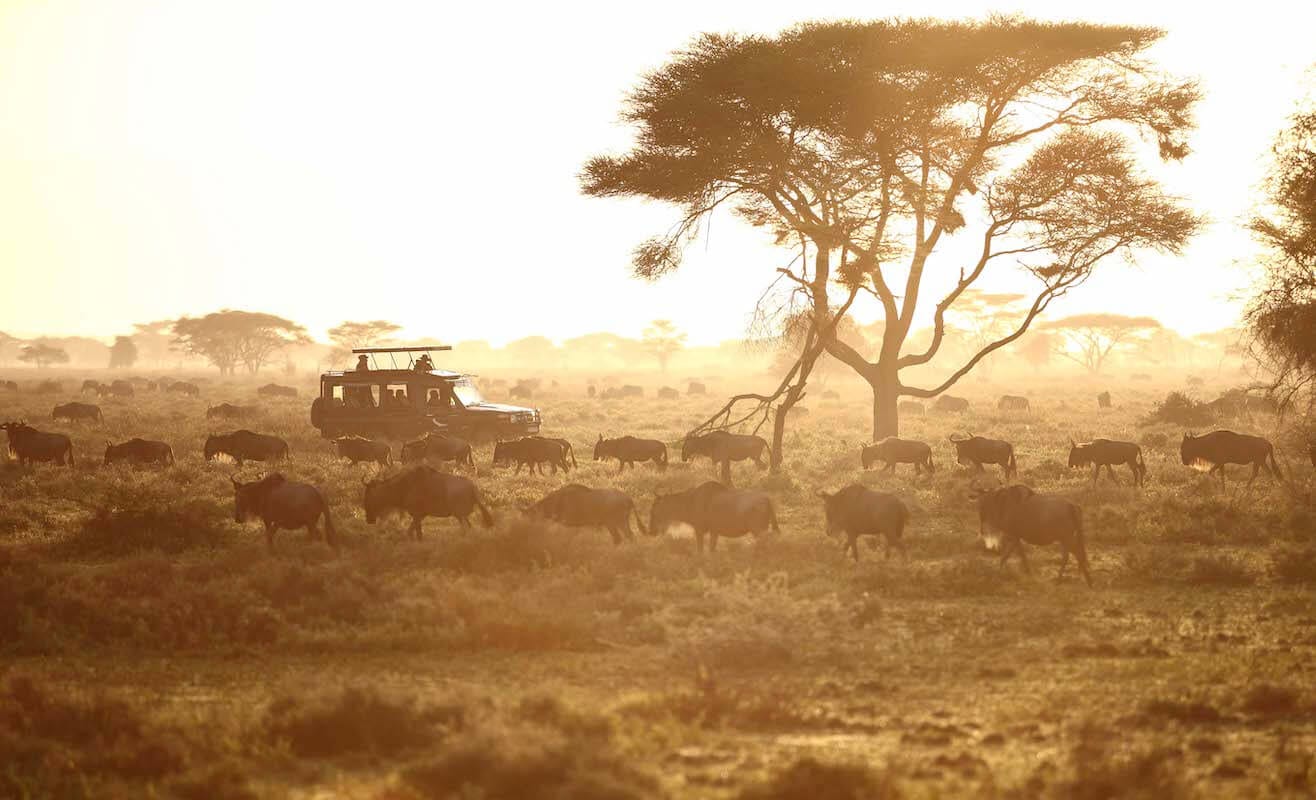
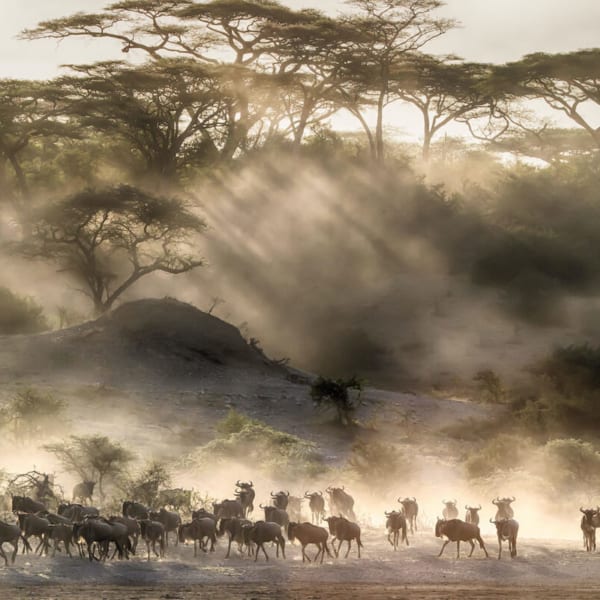
The navigation of Africa’s wildebeest migration in November and December – as always – is determined by the rains. In this case, it’s the short rains that prompt an about turn as the wildebeest begin the long trek south to the calving grounds of the southern Serengeti.

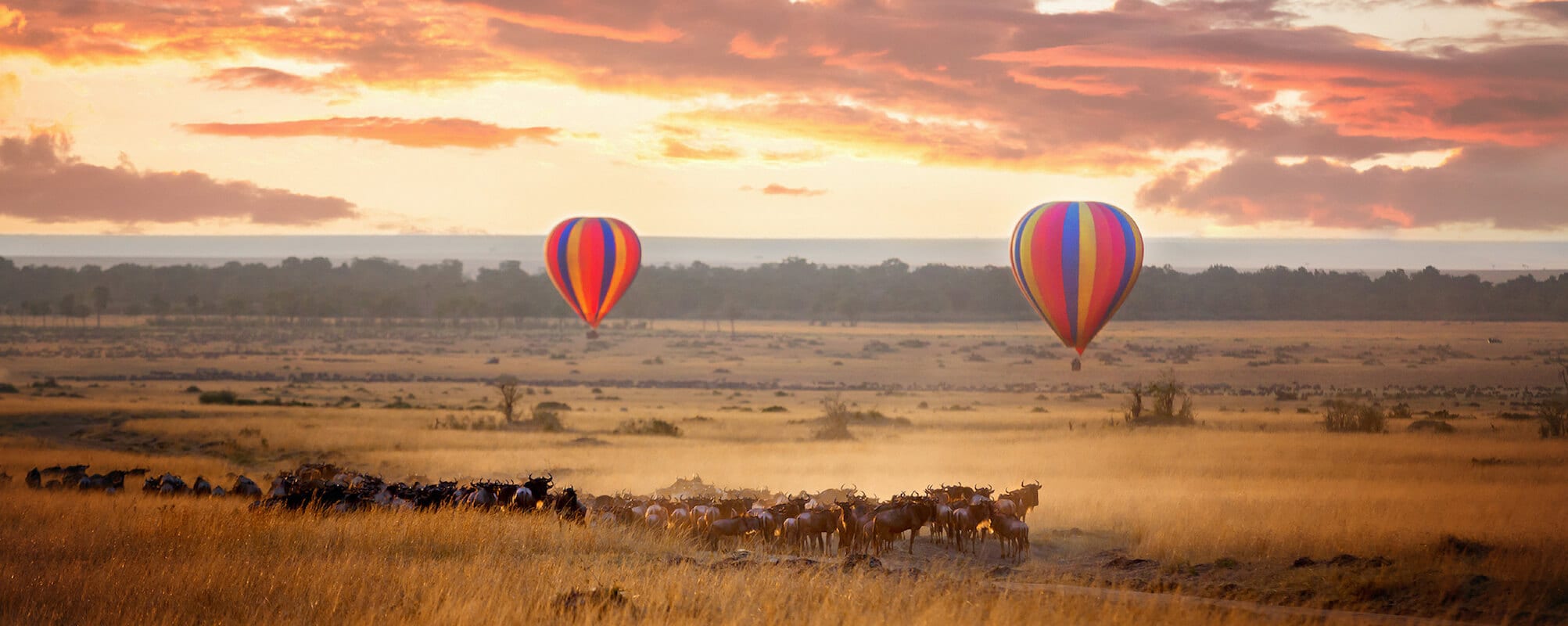
November’s short rains may be accompanied by rumbles of thunder, but to the wildebeest, it’s the starting pistol for the return leg of their journey. Having largely depleted the grasses in the Masai Mara, they are compelled to look for new grazing further south, on the replenished plains of the northeastern Serengeti.
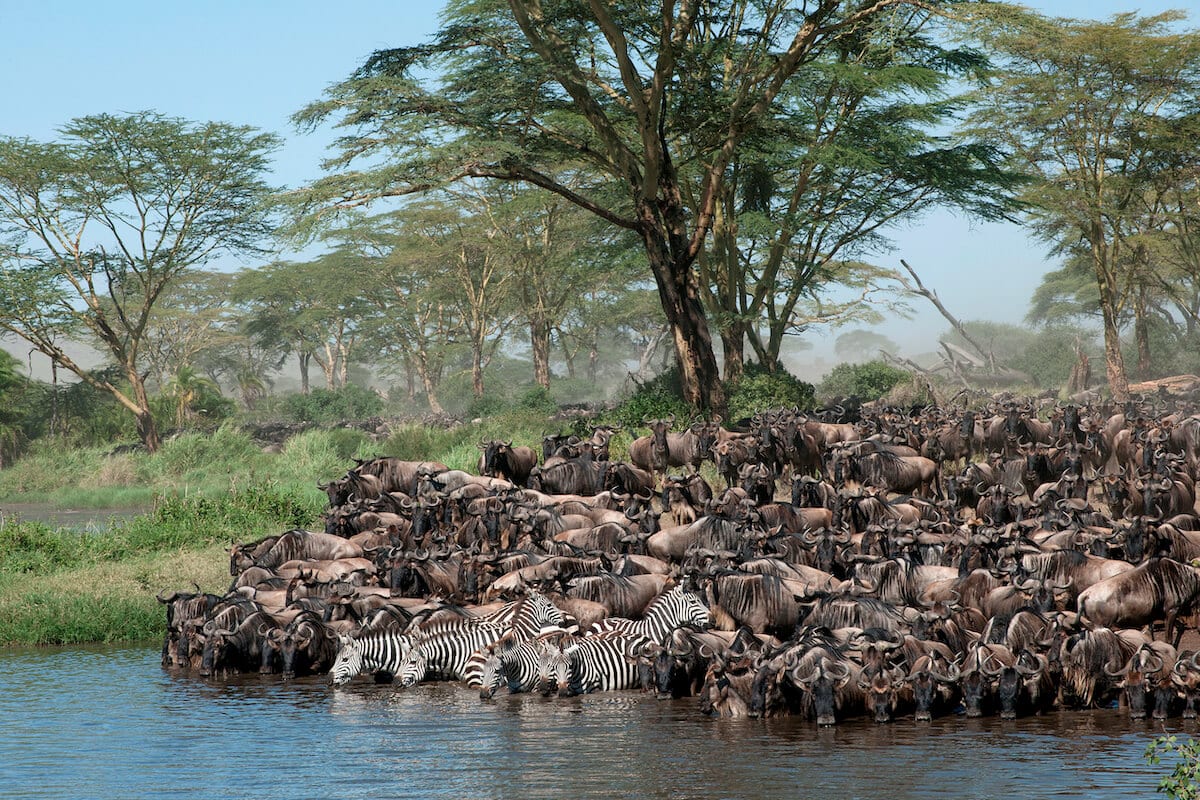
That means a second crossing of the Grumeti and Mara rivers, although these are less daunting with water levels being generally lower, and the water flowing much less swiftly after the intervening dry season. As a result, far fewer wildebeest succumb on this return journey.
From the northeast, the wildebeest continue southwards to the eastern and central Serengeti. This trek is relatively uneventful, but there’s still a lingering sense of urgency. After mating season in June, the bellies of the adult females are starting to swell with new life, and they need to get to the southern Serengeti in time to drop their calves, around February.
-
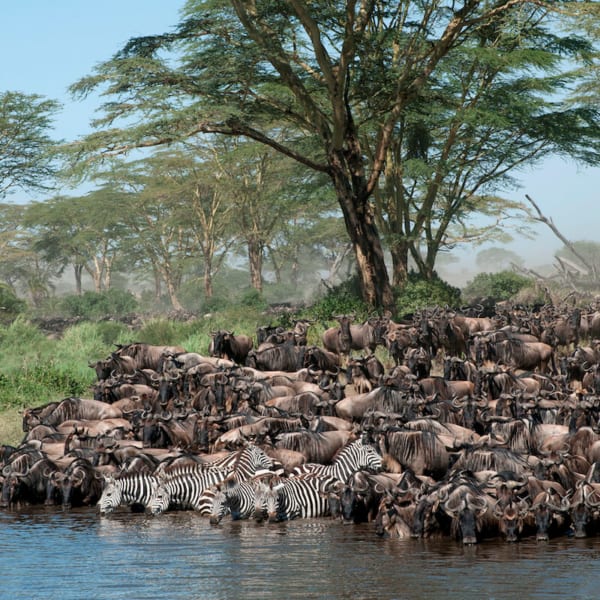 The turn southward means a second crossing of the Grumeti and Mara rivers for Africa's wildebeest migration.
 -
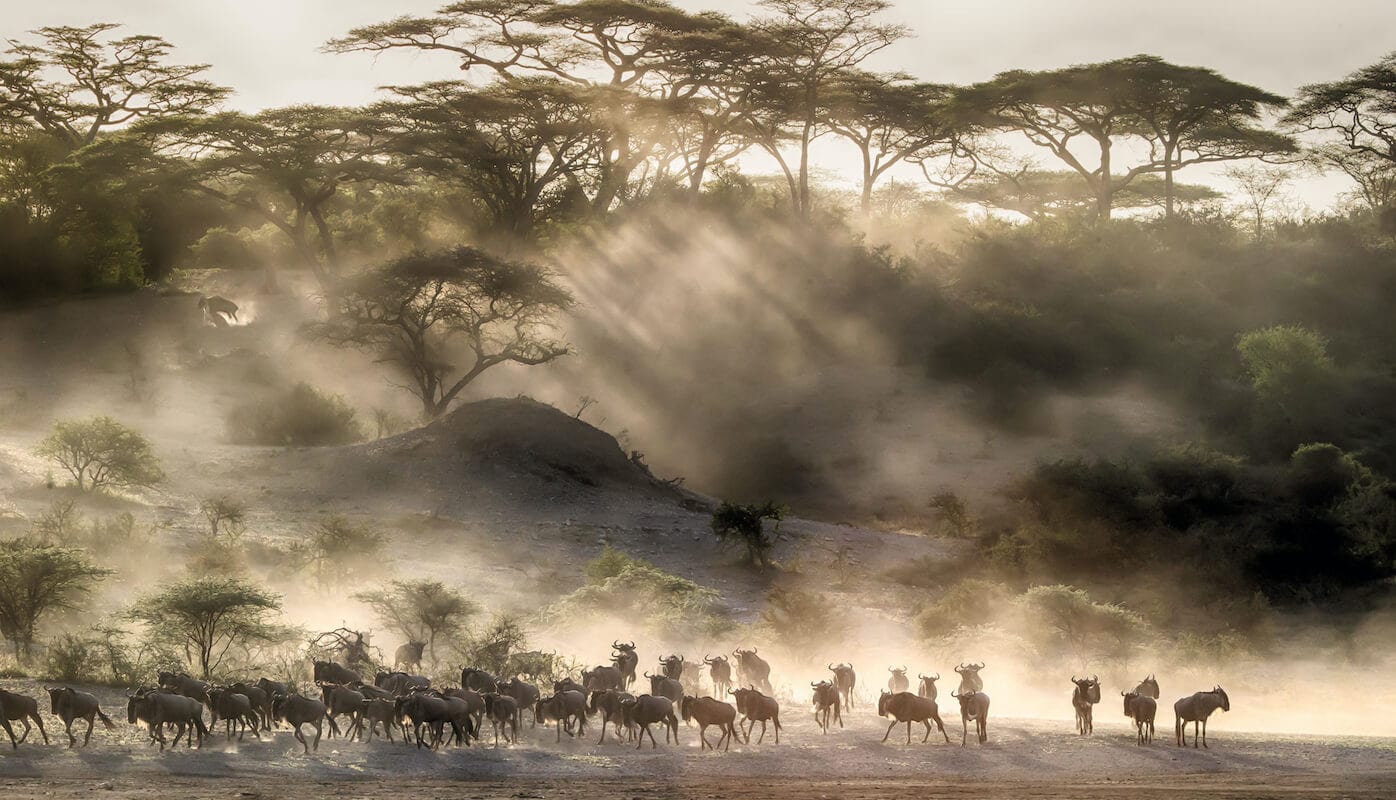
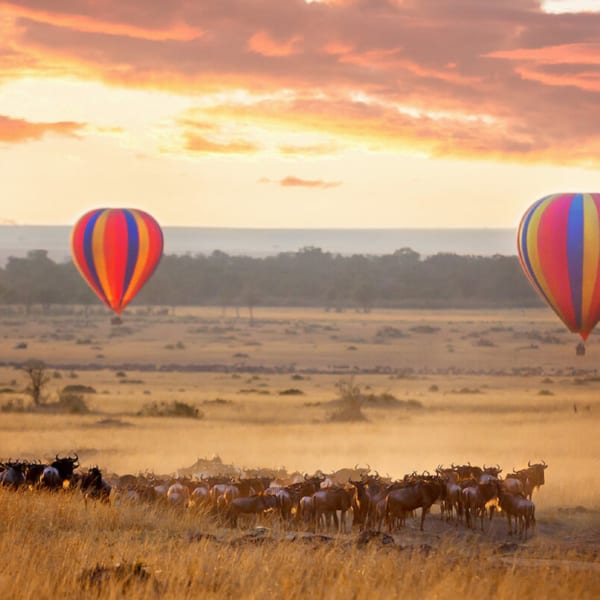 The short rains prompt an about turn as the wildebeest begin the long trek to the calving grounds of the southern Serengeti.
 -
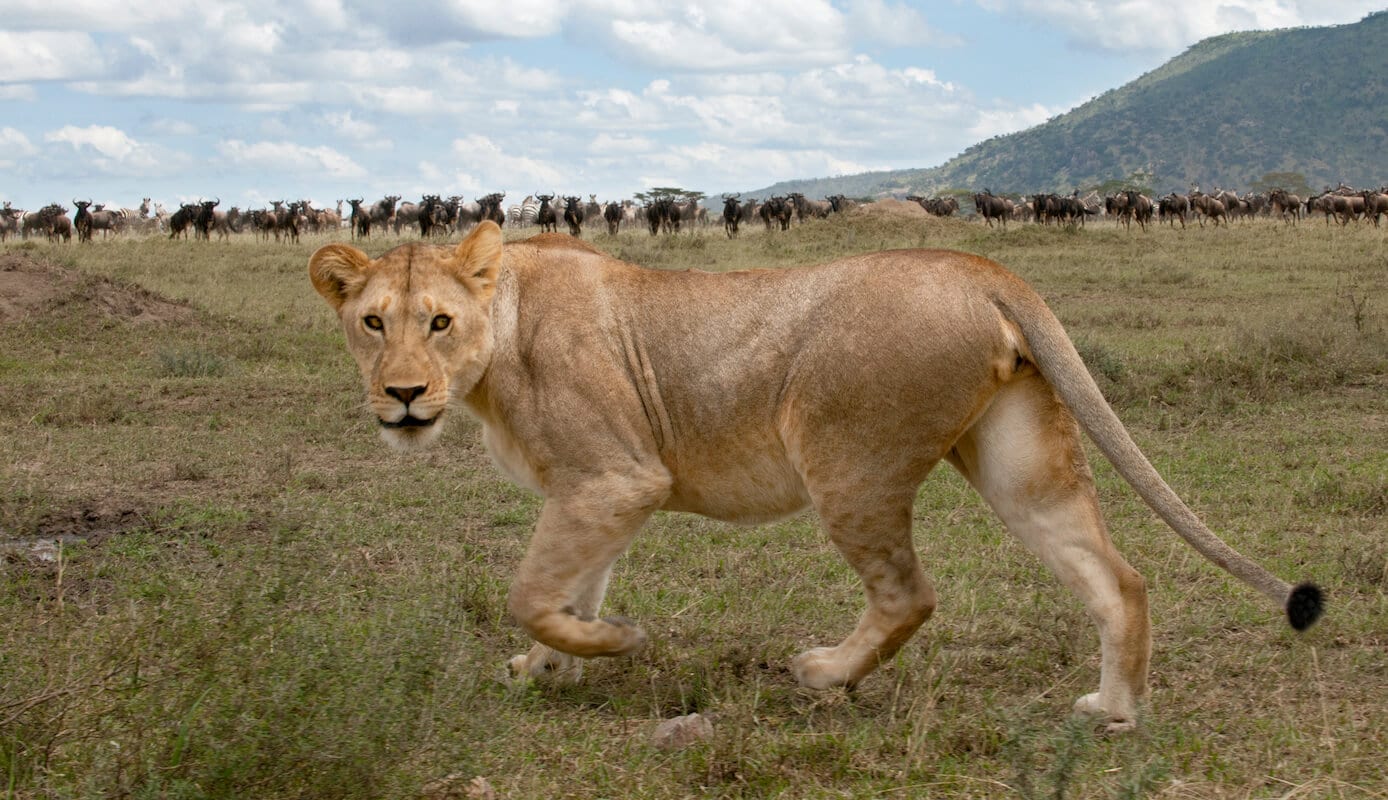
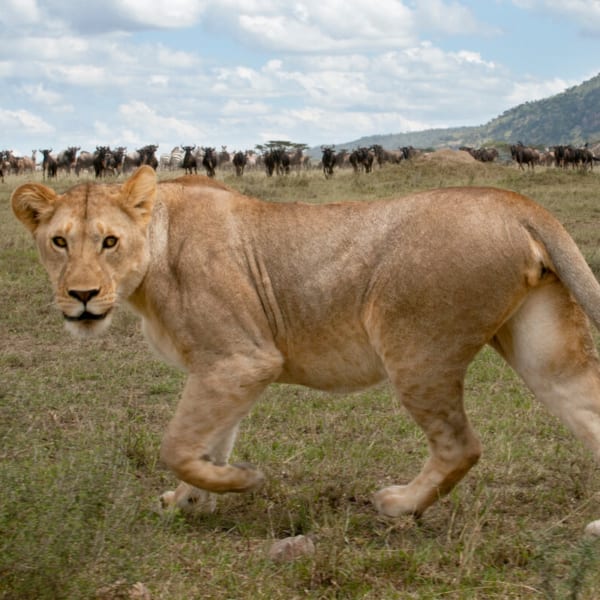 Predators, like lion, are a constant concern for Africa's wildebeest migration.
 -
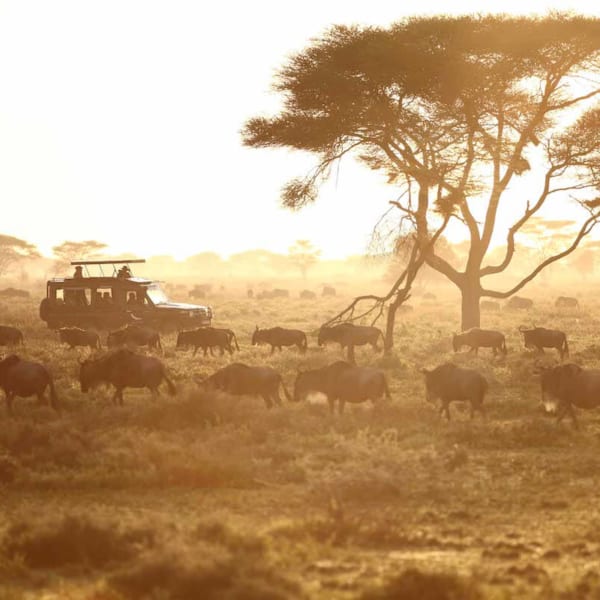 The navigation of Africa’s wildebeest migration in November and December – as always – is determined by the rains. © Serengeti Under Canvas
Heading south in this part of the Serengeti during November’s short rains provides Africa’s wildebeest migration with sustenance – which is just as well, as it’s not hard to imagine that the long journey towards the birthing grounds is arduous for the gravid females.
For visitors, as with the long rains, this shoulder season means better availability and value, due to fewer people travelling. In other words, November and early December are ideal for people looking for a more exclusive way to experience Africa’s wildebeest migration.
Perhaps East Africa’s best-kept secret is that the first two weeks of December may be the best time of the year to be on safari in Kenya and Tanzania. The short rains are largely over, but the commonly held perception somehow overlooks this.
-
 After mating season in June, the bellies of the adult females are starting to swell with new life. © &Beyond
 -
 For visitors, as with the long rains, this shoulder season means better availability and value. © Klein's Camp
 -
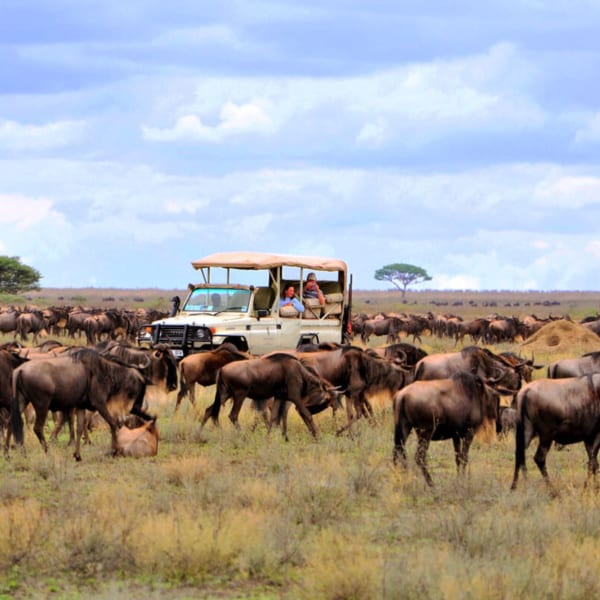 The first two weeks of December may be the best time of the year to be on safari in Kenya and Tanzania. © Serengeti Migration Camp
 -
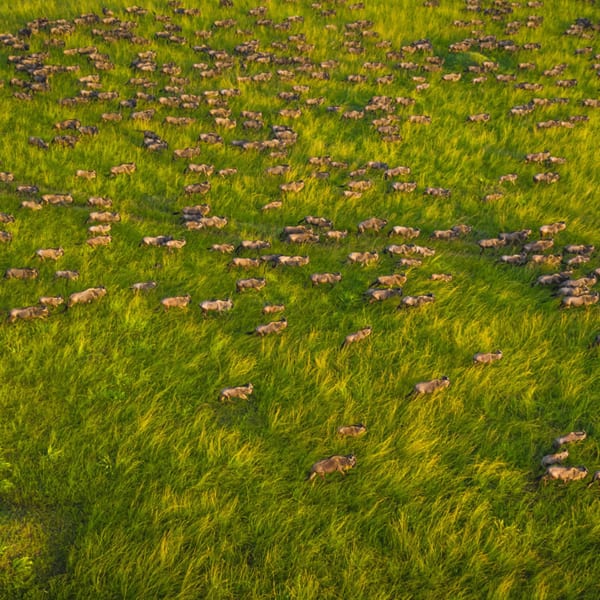 Heading south in this part of the Serengeti during November’s short rains provides Africa’s wildebeest migration with sustenance. © Sala's Camp
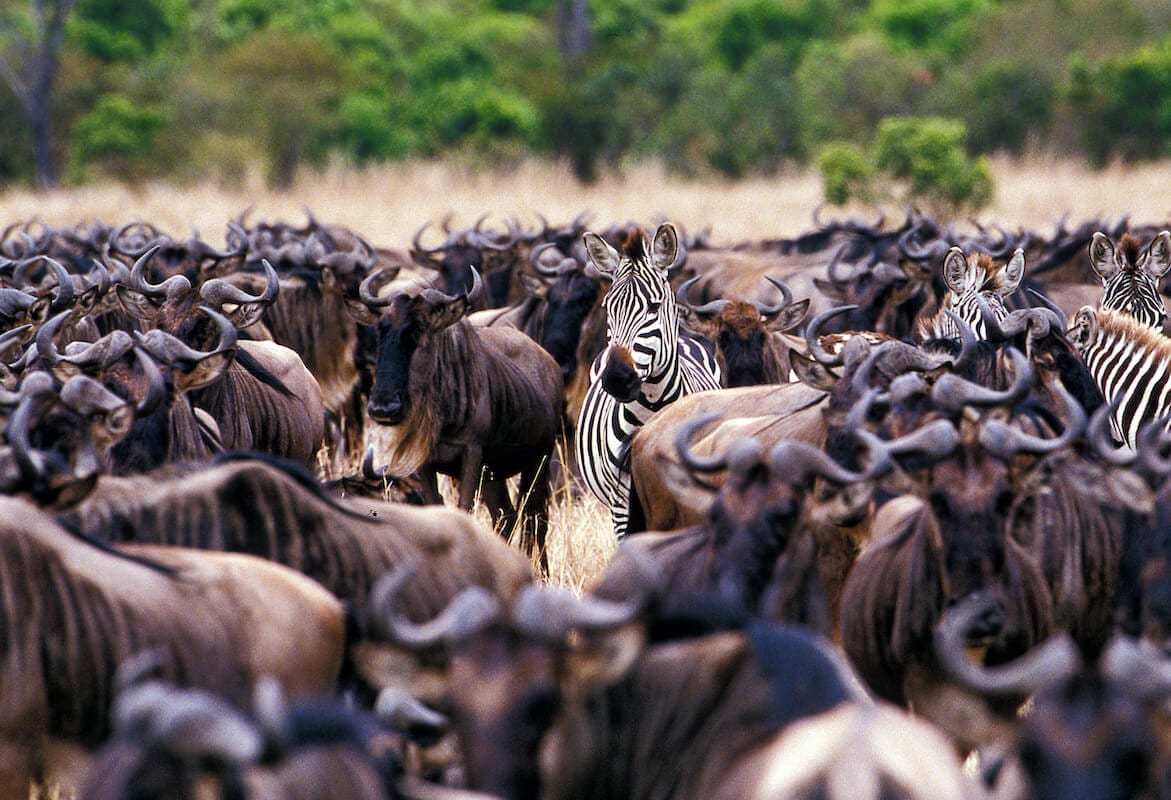
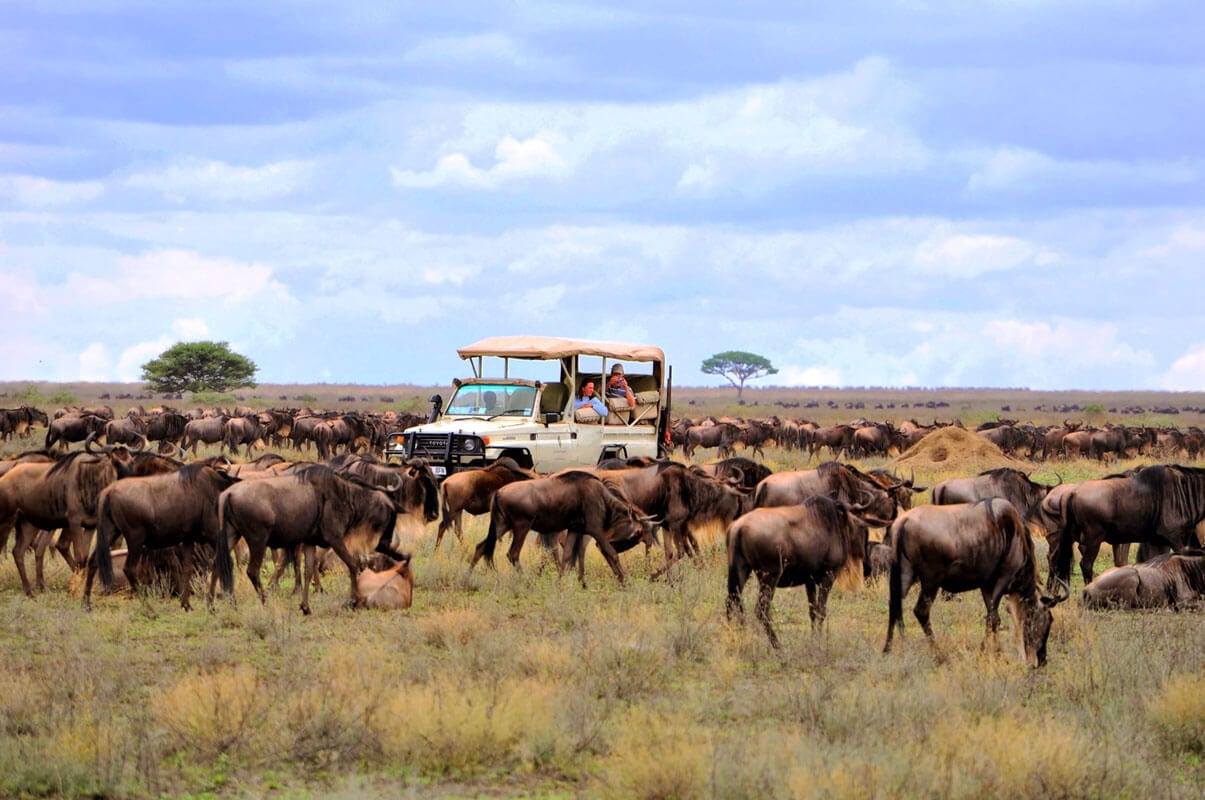

There may be fewer moments of heart-in-mouth drama during these months, but there’s also a genuine serenity to be found in watching the herds graze on the move. Of course, they must still pass through the territories of many resident predators, so there’s still a good chance of witnessing hunts in progress.
There’s a perfect storm (as it were) of high availability, lower rates, more exclusivity and exceptional game viewing. That’s because many of the non-migrating species give birth around this time (once the herds have moved on, there’s far less competition for food).
The savannah can take on the appearance of a giant nursery, with countless baby topi, gazelle and other herbivores taking their first uncertain steps. The second half of December is equally good from a wildlife point of view, but it’s also an incredibly popular holiday time, so travellers who don’t care to share are advised to come earlier – and perhaps add on time in Ngorongoro Crater, northern Kenya or southern Tanzania.


