TLDR
- October is one of the most rewarding months to visit South Africa: the safari regions of the Greater Kruger are at the tail end of the dry season, Cape Town is moving into warm, settled spring weather, and southern right whales are still calving along the Cape coast.
- Game viewing in the Greater Kruger private reserves is excellent in October, with thin bush, scarce water and wildlife concentrated around rivers and waterholes. The first summer rains usually arrive towards the end of the month, bringing the bush back to green.
- Expect hot days in the bushveld, typically around 30°C (86°F), with mild nights. Cape Town averages around 21°C (70°F) by day, with little rain but the occasional strong south-easterly wind.
- At the luxury end, private-reserve safari lodges in the Greater Kruger typically start from around $800 per person per night, fully inclusive, rising past $3,000 at the most exclusive lodges. Cape Town’s luxury hotels start from around $700 per room per night, bed and breakfast.
- October pairs naturally with a classic South Africa itinerary: a Greater Kruger or Eastern Cape safari, a few days in Cape Town and the Winelands, and a whale-watching detour to Hermanus.
Is October a Good Time to Visit South Africa?
Yes, and it’s one of the months we recommend most often. October sits in a sweet spot between seasons. In the north-east, the long dry winter is drawing to a close, so the bush is at its most open and wildlife is at its easiest to find. In the Western Cape, winter rains have given way to warm, bright spring days, the vineyards are in fresh leaf, and the coastline is still busy with whales. Because South Africa’s regions run on different weather patterns, October is one of the few months when the safari, the city and the coast are all performing well at once. Rather than fitting you into a fixed itinerary, we design each tailor-made trip around the regions, pace and experiences that matter most to you.
South Africa Weather in October: Region by Region
South Africa is large enough that “the weather in October” depends entirely on where you are. Here’s what to expect in the regions most luxury itineraries include.
| Region | Average daytime high | Average night-time low | Rainfall | What to expect |
| Greater Kruger (Sabi Sand, Timbavati, Klaserie) | Around 30°C (86°F) | Around 16–18°C (61–64°F) | Low early in the month; first afternoon thunderstorms usually from late October | Hot, dry days, thinning bush and excellent game viewing |
| Cape Town & the Winelands | Around 21°C (70°F) | Around 11–12°C (52–54°F) | Low; occasional showers | Mild, sunny spring days, with the odd windy spell |
| Johannesburg | Around 25°C (77°F) | Around 12°C (54°F) | Low to moderate; storms begin late in the month | Warm, pleasant and lined with flowering jacaranda trees |
| Eastern Cape (malaria-free reserves) | Around 23–25°C (73–77°F) | Around 12°C (54°F) | Moderate; can fall at any time of year | Comfortable temperatures and green spring growth |
The key thing to plan around is the arrival of the summer rains in the north-east. Early October is usually reliably dry in the Greater Kruger. By the last week of the month, the first thunderstorms may roll in during the afternoon, typically short and dramatic rather than all-day downpours, and game drives continue as normal.
Safari in October: What Wildlife Can You Expect?
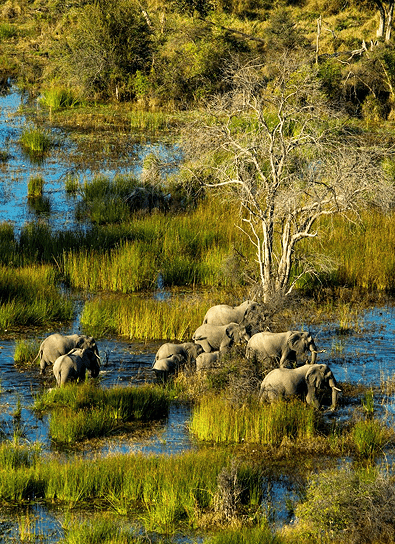
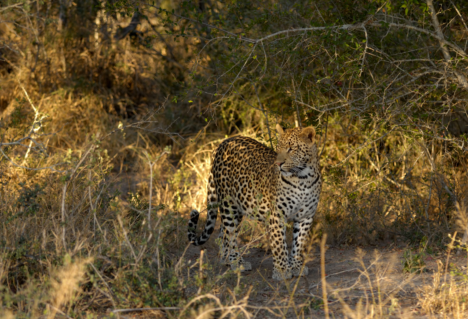
For game viewing, October is one of the strongest months of the year in the Greater Kruger. After months without meaningful rain, the vegetation is sparse and the landscape is open, so sightings are clearer and more frequent. Water is at its scarcest, which draws elephant, buffalo and large herds of plains game to the remaining rivers and waterholes, and brings predators with them. The private reserves bordering the Kruger, such as the Sabi Sand, Timbavati and Klaserie, are renowned for leopard, and October’s thin cover makes this the time to see them at their best.
October also marks the start of a busy season of change. The first migrant birds arrive from the north, including carmine bee-eaters and woodland kingfishers, and the bush begins to fill with birdsong. If the first rains come early, the transformation is striking: within days, the dusty bushveld begins to turn green. Late October and November also herald the start of the impala lambing season, which in turn draws predators to the newborns.
Further south, the Eastern Cape’s malaria-free private reserves offer Big Five game viewing in a different landscape of thicket, grassland and river valleys, with pleasant spring temperatures that suit families and travellers who prefer to avoid malaria areas.
- Best for classic Big Five and leopard sightings: the Sabi Sand, Timbavati and Klaserie private reserves in the Greater Kruger
- Best for malaria-free safari: the private reserves of the Eastern Cape and Madikwe in the North West
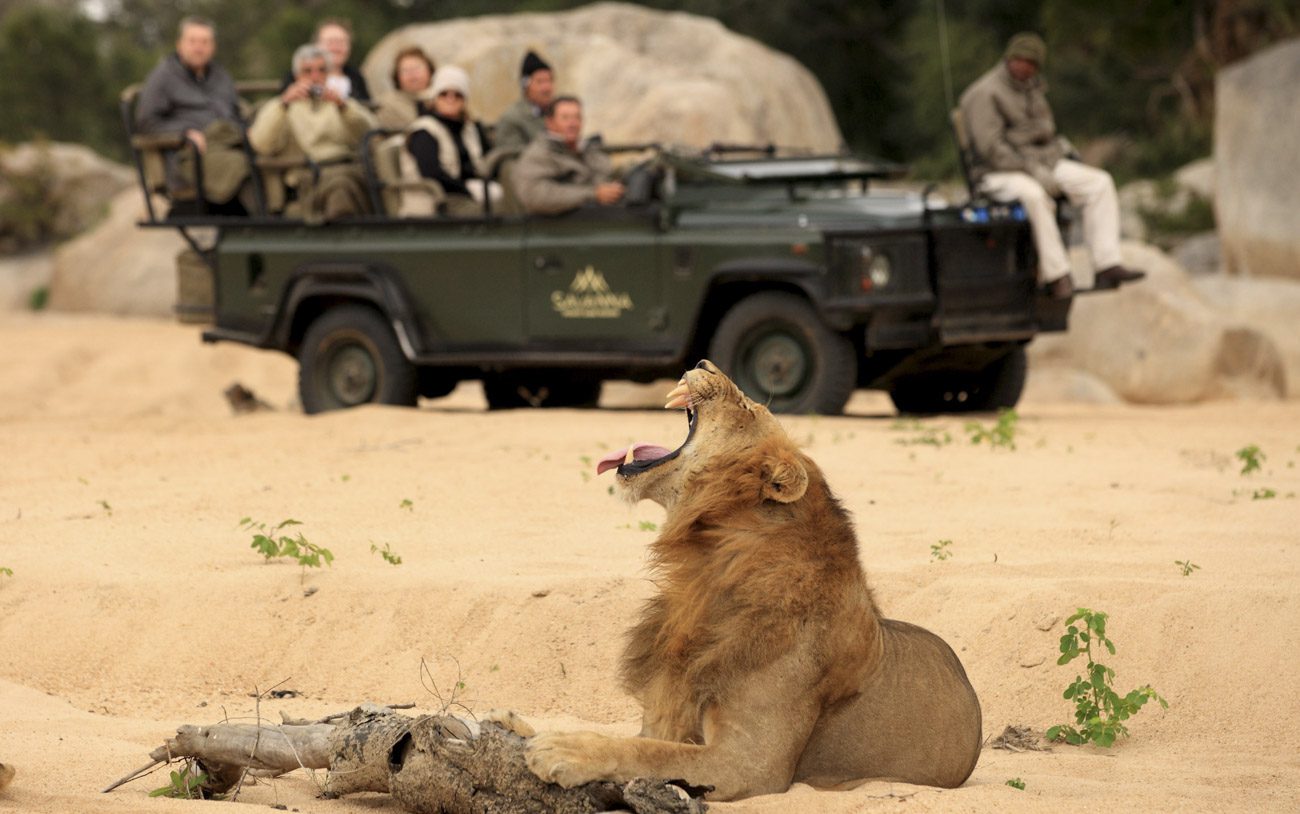
(Game Drive at Savanna Private Game Reserve, Sabi Sands Nature Reserve, Greater Kruger)
Cape Town, the Winelands and the Coast in October
October is spring in the Cape, and it’s arguably the city’s best-value month: the weather is warm and settled, but the busy, high-priced peak of December and January is still weeks away. It’s ideal for a cable car ride up Table Mountain, a full-day Cape Peninsula tour via Chapman’s Peak, Boulders Beach and Cape Point, and long lunches on wine estates in Stellenbosch and Franschhoek, where the vines are in fresh leaf.
October is also one of the best months for whale watching. Southern right whales come to the sheltered bays of the Western Cape to calve and mate, and Hermanus, around a two-hour drive from Cape Town, offers some of the best land-based whale watching in the world, with mothers and calves often visible from the cliff paths. Boat-based trips from Hermanus and Gansbaai get closer still. Earlier in the month, the tail end of the spring wildflower season can still be seen along the West Coast, though the best displays have usually passed by October.
The one weather feature to plan for is wind. Cape Town’s south-easterly “Cape Doctor” begins to pick up in spring, and a windy day can affect the cable car or boat trips, so we build flexibility into Cape Town itineraries wherever possible.
- Best for whale watching: Hermanus and Walker Bay, roughly two hours from Cape Town
- Best for food, wine and scenery: Cape Town, Stellenbosch and Franschhoek
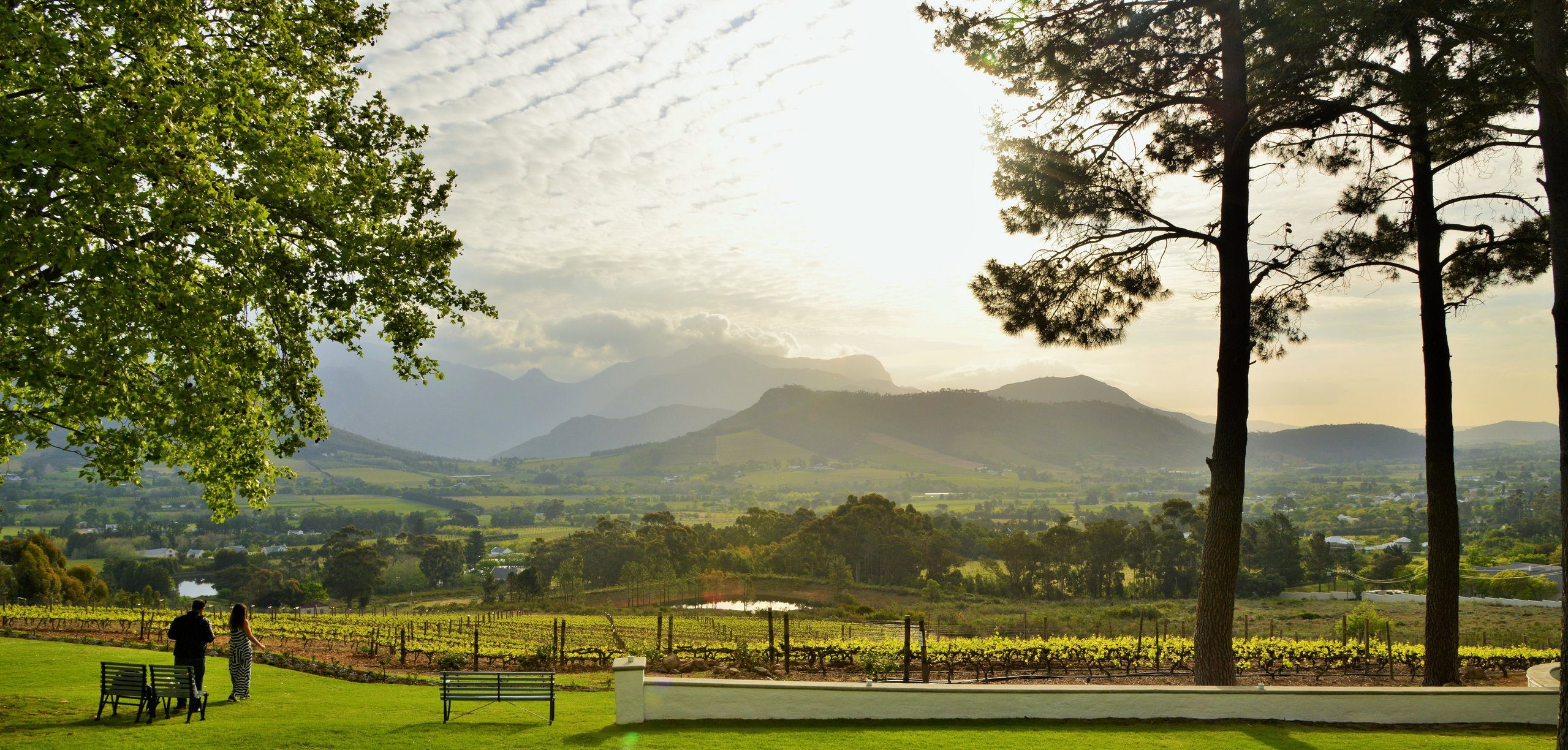
(La Petite Ferme, Franschhoek)
Accommodation Style: Safari Lodges and City Hotels
South Africa’s luxury accommodation reflects the two halves of a typical October itinerary. In the Greater Kruger’s private reserves, lodges are intimate and fully inclusive, usually with between six and twenty suites, private plunge pools overlooking riverbeds or waterholes, and twice-daily game drives with an expert guide and tracker. October’s heat makes these plunge pools a genuine asset during the midday break between drives.
Cape Town’s luxury hotels are city and coastal properties rather than lodges, ranging from boutique hideaways to larger five-star hotels, and are typically priced bed and breakfast, with dining, wine tastings and tours booked separately. Winelands estates add a quieter, countryside option, with vineyard suites a short drive from Cape Town.
How Much Does a Luxury South Africa Trip in October Cost?
October is classed as high season at most Greater Kruger private-reserve lodges, as it falls within the prime dry-season game-viewing window, though rates at some lodges ease slightly from 1 October onwards. In Cape Town, October rates are generally lower than the December–January peak, making it a good-value month for the city portion of a trip.
| Feature | Greater Kruger private reserves | Cape Town & the Winelands |
| Typical nightly rate | From around 800–1,200pp, fully inclusive, rising past $3,000pp at the most exclusive lodges in the Sabi Sand | From around 700–1,000 per room, bed and breakfast, rising past $2,000 per room at the most exclusive addresses |
| What’s typically included | All meals, most drinks, two game drives daily and airstrip transfers | Breakfast only; dining, tours, wine tastings and transfers booked separately |
| Lodge/hotel size | Small and intimate, generally 6–20 suites | From boutique hotels of around 15 rooms to 100+ room five-star properties |
| Signature October activity | Dry-season game drives, leopard tracking, bush walks | Table Mountain, Winelands tasting, whale watching in Hermanus |
| Access | Short flight from Johannesburg or Cape Town to Skukuza, Hoedspruit or Kruger Mpumalanga, then road or airstrip transfer | Direct international flights into Cape Town, or around two hours from Johannesburg |
What to Pack for South Africa in October
October’s mix of hot bushveld days and cooler coastal evenings calls for layers.
- Lightweight, neutral-coloured safari clothing in khaki, olive or tan, with long sleeves for sun and insect protection
- A warm fleece or light jacket for early-morning game drives and breezy Cape Town evenings
- A wide-brimmed hat, sunglasses and high-factor sunscreen; the October sun is strong
- A light rain jacket if travelling in the last week of the month, when the first storms may arrive
- Insect repellent, and malaria prophylaxis for the Greater Kruger after consulting a travel health professional
- Binoculars and a camera with a zoom lens for wildlife and whale watching
Getting There: Flights and Logistics
Most international visitors arrive into Johannesburg’s OR Tambo International Airport or Cape Town International Airport, both of which have direct long-haul connections from Europe and beyond. From Johannesburg, a short scheduled flight reaches Skukuza, Hoedspruit or Kruger Mpumalanga airports, and lodges in the private reserves then collect guests by road or light aircraft transfer to their own airstrips. Direct flights also link Cape Town with the Kruger airports, making it easy to move between bush and city without returning to Johannesburg.
Is October Good for a Honeymoon or Family Safari?
October works beautifully for both. Honeymooners benefit from excellent game viewing, private plunge pools for the warm afternoons and a natural finish in Cape Town and the Winelands, with long lunches, private wine tastings and sunset views over the Atlantic. Families, particularly those with younger children, have the option to pair Cape Town with one of the malaria-free reserves in the Eastern Cape or Madikwe, but many Greater Kruger lodges also welcome children, with dedicated family suites and child-friendly activities.
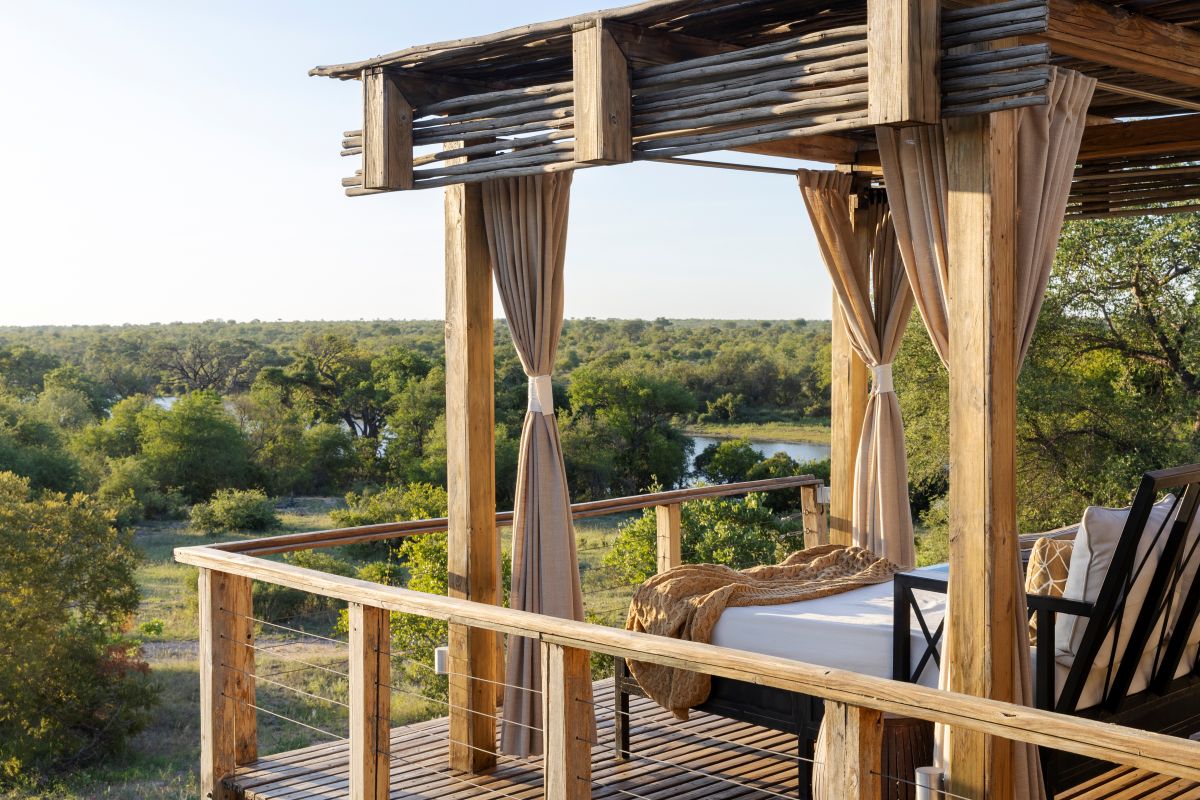
(Tented suite at Simbavati Hilltop Lodge,Timbavati Game Reserve, Greater Kruger)
Why Choose When You Can Do It All? A Tailor-Made October Itinerary
October is one of the few months when South Africa’s safari, city and coastal highlights all line up at once. A well-sequenced itinerary might begin with four nights in a Greater Kruger private reserve at the peak of the dry season, fly directly to Cape Town for city, mountain and Winelands days, and finish with a night or two in Hermanus for whale watching. This is where a tailor-made approach earns its keep, sequencing the trip around your travel dates, budget and interests rather than fitting you into a fixed package. – Tailor-made safari planning
Frequently Asked Questions About South Africa in October
Is October a good time to visit South Africa? Yes. October is one of the best all-round months to visit South Africa. Game viewing in the Greater Kruger is excellent at the end of the dry season, Cape Town enjoys warm, settled spring weather, and southern right whales are still visible along the Cape coast.
What is the weather like in South Africa in October? It varies by region. The Greater Kruger is hot, with daytime highs around 30°C (86°F) and mild nights, and the first summer rains usually arrive late in the month. Cape Town is mild and mostly dry, averaging around 21°C (70°F), with occasional strong winds.
Is October a good month for a Kruger safari? Yes. October is one of the strongest months for game viewing in the Greater Kruger’s private reserves. The bush is thin and water is scarce, so wildlife concentrates around rivers and waterholes, making sightings easier, particularly of leopard and elephant.
Can you see whales in South Africa in October? Yes. Southern right whales visit the Western Cape coast from roughly June to November to calve, and October is one of the best months to see them. Hermanus, around two hours from Cape Town, offers excellent land-based and boat-based whale watching.
How much does a luxury South Africa safari cost in October? Luxury private-reserve lodges in the Greater Kruger typically start from around $800 to $1,200 per person per night, fully inclusive, rising past $3,000 at the most exclusive lodges. Cape Town’s luxury hotels start from around $700 to $1,000 per room per night, bed and breakfast.
Conclusion: Planning Your South Africa Trip in October
October is a month that plays to all of South Africa’s strengths at once. If game viewing is your priority, the Greater Kruger’s private reserves are at their best, with open bush, concentrated wildlife and some of the finest leopard viewing in Africa. If you want city, wine and coast, Cape Town and the Winelands are warm and bright without the peak-season crowds, and the whales are still in Walker Bay. And for travellers who want both, a direct flight between the Kruger and Cape Town makes combining them easy. Speak to our team about a tailor-made luxury South Africa journey in October, designed entirely around what you want from your trip. – Speak to our safari specialists