TLDR
- Victoria Falls is the natural choice for travellers who aren’t ready to leave the wild behind: sunset cruises, white-water rafting, helicopter flights and elephant sightings along the Zambezi, all within a short flight or transfer of a Zimbabwe, Zambia or Botswana safari.
- Cape Town is the change-of-pace choice: a cosmopolitan city built around Table Mountain, the Cape Winelands and the Atlantic coastline, ideal for travellers who want fine dining, wine estates, scenery and beach time after days in the bush.
- Both pair naturally with a safari, though the logistics differ. Victoria Falls sits on the same regional flight network as Zimbabwe, Zambia and Botswana safaris, while Cape Town typically bookends a South African itinerary but also connects directly with Livingstone in Zambia and Victoria Falls in Zimbabwe.
- Luxury Victoria Falls lodges typically start from around $400 per person per night, while Cape Town’s hotels start from around $700 per room per night, bed and breakfast.
- With a direct flight now connecting Cape Town and Victoria Falls, more travellers are choosing not to decide between them, building both into a single tailor-made itinerary.
Cape Town vs Victoria Falls: Which Should You Choose?
Almost every safari benefits from a few days either side of the bush, and Cape Town and Victoria Falls are the two add-ons we’re asked about most. They aren’t really competing for the same trip: one extends the safari mood, the other changes it entirely. Victoria Falls keeps you in wilderness mode, with big game still on the doorstep and the Zambezi River replacing the game drive as the day’s main event. Cape Town shifts gears completely, trading khaki for a city break of mountain views, Winelands lunches and Atlantic sunsets. Rather than treating this as a straight comparison, we work with each traveller to design a tailor-made itinerary around what they want their few extra days to feel like: an extension of the wild, or a deliberate contrast to it.
What Kind of Add-On Are You After?
For travellers who want their safari to keep going, Victoria Falls has the edge. For travellers who want a genuine change of scene, Cape Town is the stronger fit.
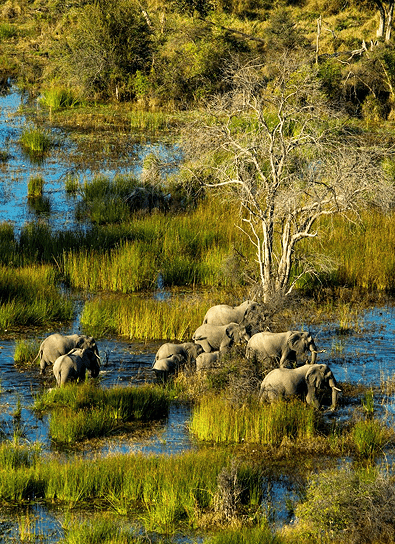
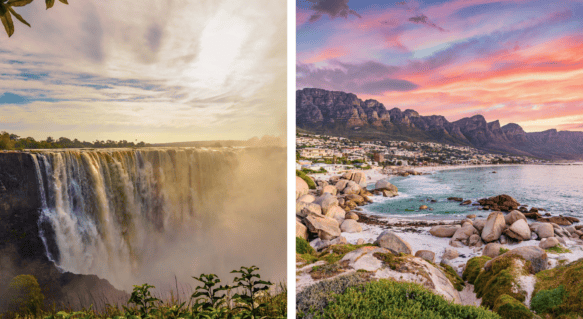
Victoria Falls sits inside Zambezi National Park on the Zimbabwe side and borders the Mosi-oa-Tunya National Park in Zambia, so elephant, buffalo and giraffe are a regular sight around your lodge, and the falls themselves, one of the Seven Natural Wonders of the World, are the headline event rather than a side trip. It’s an add-on built on adrenaline and immersion: the wild doesn’t stop just because the game drives have.
Cape Town offers something safaris can’t: a genuine city, with world-class restaurants, working vineyards, a buzzing waterfront and beaches instead of bush. For travellers who’ve had their fill of early-morning wake-up calls and want a few days of choosing their own pace, Cape Town is the reset.
- Best for staying in wilderness mode: Victoria Falls
- Best for a complete change of pace: Cape Town
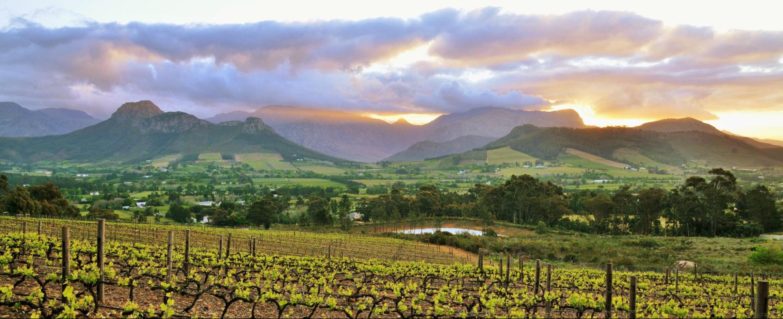
(LaPetit Ferme, Franschhoek)
Activities and Experiences: Adrenaline or Indulgence?
Victoria Falls is built for activity. Beyond viewing the falls themselves from the Zimbabwean and Zambian walking trails, most itineraries include a sunset cruise on the Zambezi, a scenic helicopter or microlight flight over the falls (locally known as the “Flight of Angels”), and, water levels permitting, white-water rafting through the gorge below. In low water season, Devil’s Pool, a natural rock pool right on the lip of the falls, becomes accessible for the brave. Bungee jumping and the gorge swing off Victoria Falls Bridge round out the adrenaline options, alongside gentler pursuits such as high tea on the lawns of the historic Victoria Falls Hotel or a game drive into the surrounding national parks.
Cape Town’s pace is more indulgent. A cable car to the top of Table Mountain, a full-day tour of the Cape Peninsula taking in Chapman’s Peak, Boulders Beach’s African penguin colony and Cape Point, and an afternoon of wine tasting in Stellenbosch or Franschhoek are the classics. Add snorkelling with Cape fur seals at Duiker Island, a boat trip to Robben Island, or simply an afternoon on Camps Bay or Clifton beach, and it’s easy to see why travellers often add more nights here than they originally planned.
- Best for adventure and adrenaline: Victoria Falls
- Best for food, wine and city culture: Cape Town
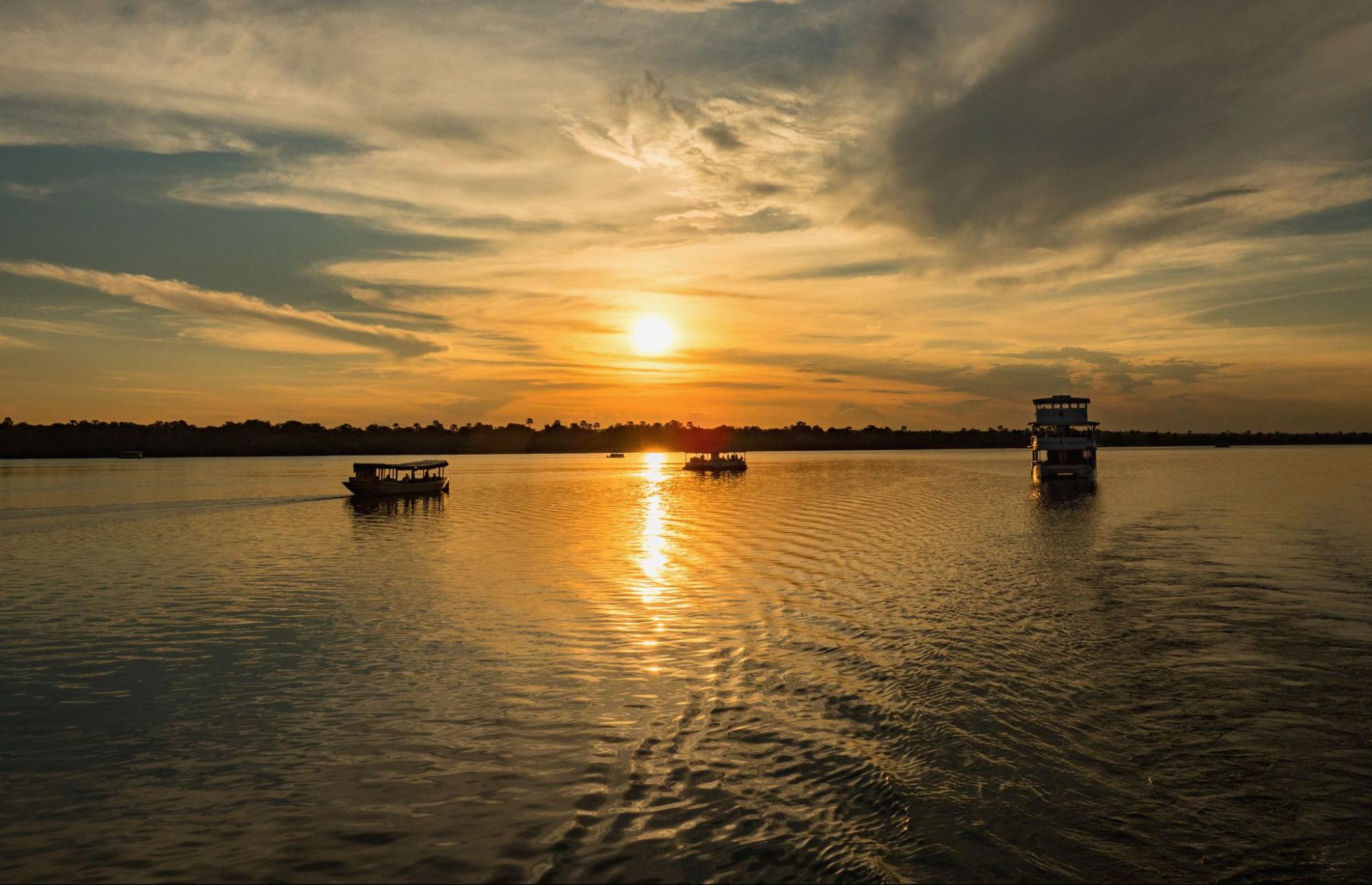
(Sunset cruise on the Zambezi River)
Accommodation Style: Safari Lodges or City Hotels?
The accommodation styles reflect the two experiences closely. Victoria Falls lodges, on both the Zimbabwean and Zambian banks of the Zambezi, tend to follow the safari model: small, intimate camps of 12 to 25 rooms, generally fully inclusive of meals, drinks and activities, with a strong sense of place and, in several cases, resident elephant or hippo passing through camp.
Cape Town’s luxury hotels are city and coastal properties rather than lodges, ranging from boutique addresses of 15 rooms to larger five-star hotels of well over 100, almost always priced bed and breakfast rather than fully inclusive, with meals, wine tastings and tours booked separately. It’s worth budgeting for this difference: a Cape Town add-on generally costs more day to day once dining and activities are added to the room rate.
How Much Does a Cape Town or Victoria Falls Add-On Cost?
| Feature | Victoria Falls | Cape Town |
| Typical nightly rate | From around 400–800pp, fully inclusive, for a luxury accommodation experience, rising past $1,200pp at the most exclusive camps | From around 700–1,000 per room, bed and breakfast, rising past $2,000 per room at the most exclusive addresses |
| What’s typically included | Meals, drinks, laundry and most activities such as cruises and game drives | Breakfast only; dining, tours, wine tastings and transfers booked separately |
| Camp/hotel size | Small, intimate, generally 12–25 rooms | Wider range, from 15-room boutique hotels to 100+ room five-star properties |
| Signature activity | Guided tour of Victoria Falls, sunset Zambezi cruise, white-water rafting, helicopter flight over the falls | Cape Peninsula tour, Winelands wine tasting, Table Mountain cableway, whale watching down the coast |
| Best for | Adventure, immersion, extending the wild | City culture, fine dining, beach and wine time |
| Access | Direct flights from Cape Town and Johannesburg to Victoria Falls or Livingstone airports (about 1.5 hours from Johannesburg, about 3 hours from Cape Town) | Direct flights from Johannesburg (about 2 hours) or Cape Town–Victoria Falls direct |
Best Time to Visit: Water Levels or Weather?
Victoria Falls has two distinct personalities depending on the season. High water, roughly March to May, brings the falls to their most dramatic, with thunderous spray visible for miles, though the heaviest spray can obscure the view and shortens the rafting season. Low water, from around mid-August to mid-January, exposes more of the rock face for photography, opens up Devil’s Pool, and gives white-water rafting its widest, most exciting stretch of river. February, June and July sit in between, offering a reasonable balance of both.
Cape Town runs on the opposite calendar to the safari regions further north. Its dry, warm summer runs roughly October to April, with December and January the busiest and priciest months, making the shoulder months of October, November, March and April an appealing sweet spot. Winter, June to August, is cooler and wetter, but still workable for city sightseeing, wine tasting and, from around June to November, land-based whale watching along the coast near Hermanus.
Getting There: Flights and Logistics
Victoria Falls sits on the same regional flight network as the safari destinations most travellers pair it with. Direct flights connect Cape Town and Johannesburg to both Victoria Falls Airport in Zimbabwe and Livingstone Airport in Zambia, taking around 90 minutes from Johannesburg and around three hours from Cape Town, and from either airport, it’s a short road transfer or light aircraft hop to Chobe National Park in Botswana, Hwange in Zimbabwe, or onward into Zambia’s Lower Zambezi and South Luangwa. This makes Victoria Falls an easy, low-friction add-on to almost any Zimbabwe, Zambia or Botswana safari.
Cape Town is well connected by air, with direct flights from most major cities. The hop from Johannesburg takes just under two hours, making Cape Town a natural bookend to a South Africa–based safari through the Greater Kruger or Eastern Cape.
It’s also worth noting that Cape Town and Victoria Falls are now linked by a direct three-hour flight. This has made combining the two destinations far more straightforward, eliminating the need to route back through Johannesburg.
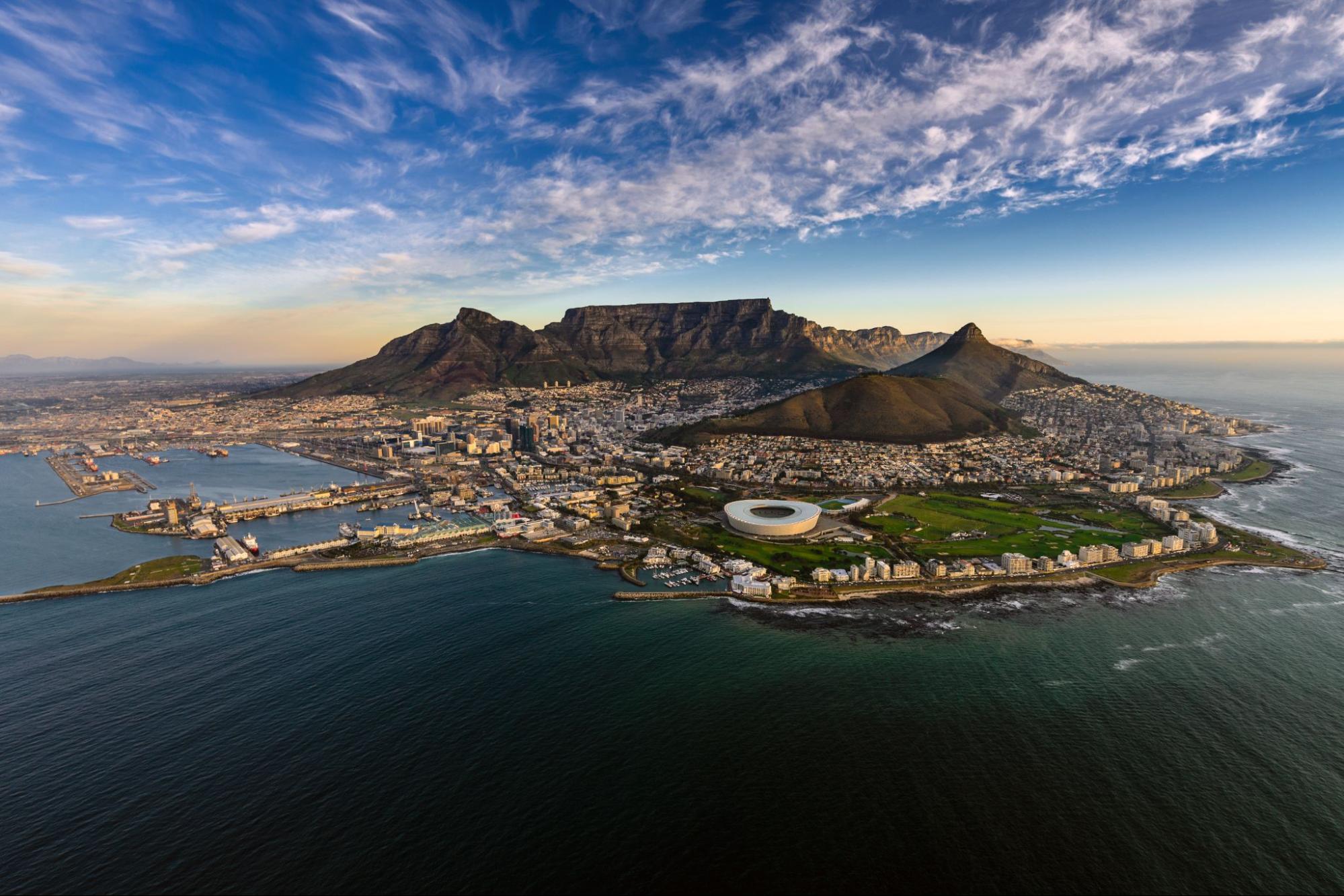
(Cape Town, with Table Mountain, Lions Head and Signal Hill aerial view)
Which Is Better for a Honeymoon, Family Trip or First Safari?
For honeymooners, both work beautifully but suit different moods. Victoria Falls offers shared adventure: a private sunset cruise, a helicopter flight together, and small, romantic camps overlooking the gorge. Cape Town offers polish and choice: candlelit dinners, private Winelands tours and beachfront hotel suites, with more flexibility to fill days exactly as a couple pleases.
Families with older children and teenagers tend to gravitate towards Victoria Falls, where rafting, ziplining and the falls themselves are memorable, shared experiences. Families with younger children, or those simply wanting an easier few days, often prefer Cape Town’s shorter travel days, wider dining choice and beach time.
First-time safari travellers combining a trip with South Africa’s private reserves usually find Cape Town the more natural bookend, given the internal flight access. Those safariing in Zimbabwe, Zambia or Botswana will find Victoria Falls falls almost automatically into the itinerary, given how closely it sits to those regions’ airports.
Why Choose When You Can Do Both?
Increasingly, travellers aren’t choosing between the two at all. With direct flights now linking Cape Town and Victoria Falls, a well-sequenced itinerary can move from a South African private reserve, to Victoria Falls for a few days of Zambezi adventure, to Cape Town for a final stretch of city and coastal indulgence. This is where a tailor-made approach earns its keep, sequencing the itinerary around your travel dates, budget and appetite for logistics rather than fitting you into a fixed package. Tailor-made safari planning
Frequently Asked Questions About Cape Town vs Victoria Falls
Is Cape Town or Victoria Falls a better add-on to a safari? It depends on what you want from the extra days. Victoria Falls suits travellers who want to extend the wilderness experience with adventure activities like white-water rafting, sunset cruises and helicopter flights. Cape Town suits travellers who want a complete change of pace, with city dining, wine estates and beach time.
Can you visit both Cape Town and Victoria Falls on the same trip? Yes. A direct flight now connects Cape Town and Victoria Falls, taking around three hours, which makes it straightforward to combine both with a safari in a single tailor-made itinerary. Zimbabwe & Botswana safari packages
Is Victoria Falls more expensive than Cape Town? At the upper-mid-range, they’re broadly comparable, though priced differently. Victoria Falls lodges typically start from around 400–800 per person per night. Cape Town’s upper-mid-range hotels start from around 700–1,000 per room per night, bed and breakfast, with dining and tours booked separately.
What is the best time of year to visit Victoria Falls? The falls are at their most dramatic during high water, roughly March to May. Low water, from mid-August to mid-January, is best for white-water rafting and Devil’s Pool. February, June and July offer a balance of both.
What is the best time of year to visit Cape Town? Cape Town’s warm, dry season runs roughly October to April, with the shoulder months of October, November, March and April offering the best combination of good weather and lighter crowds.
Conclusion: Choosing Your Safari Add-On
There’s no single right answer to Cape Town versus Victoria Falls, largely because they aren’t offering the same kind of few days off. If you want your safari to keep going, with the Zambezi River, waterfalls and elephants still part of the story, Victoria Falls is the natural fit, and it slots easily into a Zimbabwe, Zambia or Botswana itinerary. If you want a deliberate change of scene, with mountains, wine and the ocean replacing the bush, Cape Town delivers something no safari destination can. And for travellers who don’t want to compromise, a direct flight now makes combining both more straightforward than ever. Speak to our team about a tailor-made safari with a Cape Town or Victoria Falls add-on, designed entirely around what you want from your trip. Speak to our safari specialists